Commercial hygiene experts located in Brampton ensure restaurants, food distribution facilities, bakeries, warehouses, and mobile food units to sanitation standards. They disinfect high-touch surfaces, food prep surfaces, equipment, floors, drains, restrooms, and preparation zones with certified chemicals, at proper strength, and with verified times.
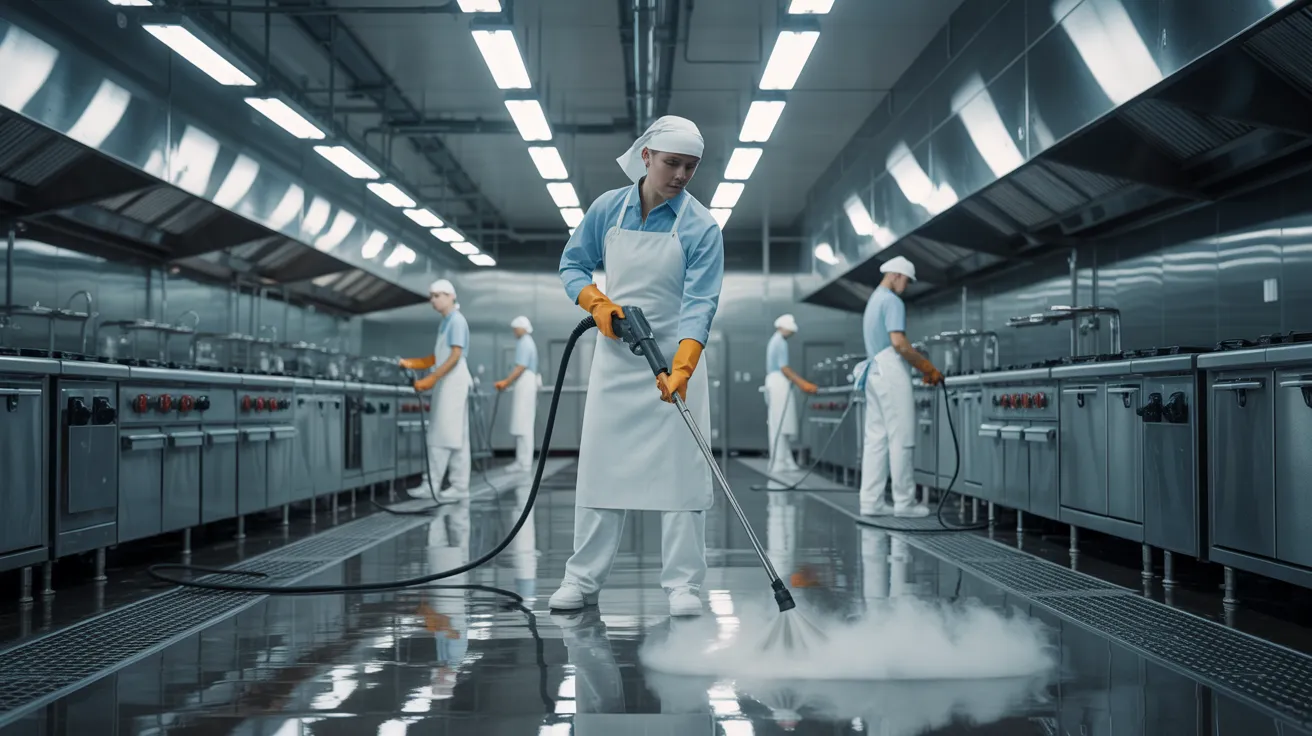
Essential Summary
- Food safety cleaning technicians in Brampton serve restaurants, grocery departments, commissaries, warehouses, bakeries, schools, mobile vendors, and allergen-sensitive operations.
- Cross-contamination prevention is achieved by treating high-touch surfaces, food-contact equipment, kitchens, floors, drains, restrooms, and storage areas with compartmentalized approaches.
- Approved sanitizer dilution, appropriateness, and exposure duration are validated by trained providers, with finishing logged via swabs, audits, and action records.
- Regular, recurring, and seasonal activities distributed by zone make up cleaning calendars based on danger, production volume, switches, incidents, and standards.
- Highlight suppliers displaying HACCP, sanitation understanding, safety training training, liability, endorsements, colour-coded instruments, and assessment-ready sanitation records.
Brampton Operations That Need Food Safety Cleaning: Which Ones?
Brampton venues that handle, store, prepare, package, or serve food require food sanitation. Implement it if your operation is regulated by health reviews, food regulations, or HACCP protocols. The requirement covers dining establishments, employee cafes, food distributors, market sections, meat shops, fish counters, local shops, and commercial kitchens.
You'll additionally need adherent sanitation standards in supply facilities, manufacturing operations, cold storage warehouses, bakeries, school food programs, reception halls, and delivery services. Portable business models matter as well, examples being food trucks, festival vendors, and pop-up establishments. If your workers handle raw materials, divide prepared dishes, warm finished meals, or maintain allergen storage, your establishment requires established hygiene documentation. In Brampton, cleanliness remains necessary; it constitutes regulatory, business, and safety adherence.
What Do Brampton Cleaning Experts Clean?
Your operation needs cleaning professionals who disinfect frequently contacted surfaces, kitchens, floors, and restrooms to maintain food safety compliance and public health standards. These zones receive attention because they represent the most significant contamination risk, trip and slip dangers, and breaches of sanitation codes.
Knowing their service areas allows you to confirm your facility's cleaning meets required standards and regulations.
High-Touch Surface Sterilization
create a disinfection schedule
when outcomes fall outside required standards. Furthermore, they eliminate cross-contact through changing cleaning materials, maintaining directional cleaning patterns
Cooking Zones, Walking Surfaces, and Restroom Environments
Brampton cleaning professionals will handle kitchens, floors, and restrooms since each space presents different hygiene concerns, injury, and public health challenges. In industrial kitchens, you need degreasing on cook lines, equipment exteriors, drains, prep surfaces, and splash zones to minimize contamination and pest pressure.
You should also expect documented flooring maintenance. is also provided as part of the service.
For restroom sanitation, cleaners disinfect high-touch surfaces, bathroom fixtures, stall dividers, supply dispensers, and trash receptacles, then restock supplies and control odours. They also maintain restaurant cleaning supply rooms where product storage, sink cleanliness, and drain systems impact daily sanitation standards and worker protection.
How Food Safety Cleaning Benefits Brampton Operations
Brampton operations require proper hygiene standards to fulfill compliance obligations and pass audits. You also reduce cross-contamination by cleaning and sanitizing food-contact surfaces, equipment, and high-touch areas correctly. Most importantly, you help protect public health by lowering the risk of foodborne illness in your facility.
Health Code Compliance
Because Brampton food companies operate under stringent health requirements, food safety cleaning directly affects your capability to fulfill health code requirements, protect customers, and prevent enforcement action. You must maintain hygienic food handling zones, written maintenance records, appropriate product handling, and auditable operational standards that align with municipal and provincial inspection expectations.
Detailed cleaning files permit you to show due diligence during compliance reviews and establish your operations remain uniform, replicable, and tracked. Comprehensive sanitation further facilitates allergen control by reducing residue on mutual appliances and frequently touched surfaces.
Cross-Contamination Prevention
Adhering to health code standards requires your skill in preventing cross-contamination throughout routine preparation and sanitation work. You need to isolate uncooked items from finished products, sanitize work stations after each task, and keep chemicals away from food-contact items. Organized systems minimize contamination events and ensure consistent compliance during inspections.
You should implement allergen segregation to keep priority allergens from contacting common work areas, storage bins, or tools. Employ separate boards, labeled implements, and strict utensil labeling so staff don't mix items during preparation or service. Require handwashing after handling uncooked proteins, shellfish, egg items, or allergen products. Change cleaning rags frequently, and check disinfectant potency using test kits. When staff members receive training on these procedures every shift, you create a cleaner, safer operation that satisfies Brampton's safety standards consistently.
Community Health Assurance
When sanitation efforts deteriorate, you don't only face inspection setbacks—you expand the chance of food contamination striking customers, staff, and the larger Brampton community. You also weaken your role in protecting public health, especially in busy food facilities where pathogens travel quickly through surfaces, equipment, and touchpoints.
You need sanitation systems that eliminate soils, disinfect appropriately, and validate outcomes. This involves maintaining exposure durations, selecting approved disinfectants, logging schedules, and coaching employees to meet regulatory requirements. These controls promote illness spread by decreasing microbial counts before reaching surfaces or food. Throughout Brampton, effective sanitation protects vulnerable communities, reduces outbreak risk, and proves your diligence. When you adhere to standards, you go beyond requirements—you mitigate risk and facilitate secure food handling throughout the area.
Why Is Cleaning Essential for Food Safety Compliance?
Committing to rigorous cleaning routines secures food safety compliance by lowering contamination exposure, controlling pathogen growth, and maintaining your facility's adherence to sanitation requirements under HACCP-based programs and public health regulations. You validate that contact surfaces remain visibly clean and microbiologically controlled, enabling documented preventive controls and inspection readiness.
Diligent cleaning also reinforces allergen mitigation by eliminating residues that can provoke undeclared allergen exposure. When you pair validated sanitation procedures with regulatory training, your staff can execute established protocols, apply approved chemicals accurately, update records thoroughly, and handle discrepancies in advance of problems worsen. Consistent cleaning supports product tracking, validates remediation efforts, and shows due diligence when audited. It also helps you protect product safety, preserve operational adherence, and reduce the chances of punitive measures, market recalls, complaints, and unnecessary safety threats.
When Do You Arrange Commercial Cleaning?
Ramp up cleaning pace during high-volume production, equipment changeovers, spill incidents, and following maintenance work.
You should also schedule periodic tasks separately
How Do You Choose Brampton Cleaning Experts?
Screen providers initially by their food hygiene standards—not budget alone. You need to confirm that every company meets CFIA, public health, and HACCP-aligned expectations for your operation. Demand proof of insurance, WHMIS compliance, training records, and management systems. Evaluate technician understanding of cross-contamination risks, chemical safety, and documented sanitation practices.
You should further examine operational reliability and accountability. Request testimonials from Brampton food businesses, then review response times, corrective action plans, and communication standards. Validate the company facilitates supplier audits and can present inspection-ready documentation to regulators or third parties. Confirm equipment receives maintenance, color-coded implements are applied correctly, and facility-specific risks are recognized. A experienced service protects compliance, product quality, and your brand reputation.
What does a Food Safety Cleaning Plan encompass?
Develop a written plan that clarifies every sanitation task, standard, and responsibility before production begins. You should outline cleaning schedules, authorized chemicals, concentration levels, contact duration, implements, and validation techniques for each zone, surface, and piece of equipment. Include pre-operational inspections, corrective actions, and employee training requirements.
Your plan should also cover contamination prevention, garbage management, pest control procedures, and recorded timelines for bathrooms, drainage systems, surfaces, and food-preparation zones. Detail how you'll keep raw and prepared foods apart, enable ingredient tracking, and ensure accurate allergen labeling through validated cleaning between product changes. You should designate accountability, maintain signed records, and review results against regulatory standards, HACCP controls, and customer requirements. When gaps appear, revise procedures immediately and retrain staff.
Commonly Requested Questions
Do cleaning services operate during nighttime hours at Brampton facilities?
Yes, you can arrange cleaning services to support overnight shifts in Brampton facilities. You'll coordinate nighttime cleaning around production schedules, security protocols, and personnel needs. Services typically establish nighttime procedures to reduce interruption, maintain standards, and record finished tasks. You should confirm arrival schedules, supervision, access procedures, and disposal procedures before starting service.
Are hazard containment solutions available from sanitation professionals?
Yes, you can discover many Brampton cleaning professionals providing spill response options. They handle hazardous incidents, assess dangers, isolate contamination, and begin swift decontamination to reduce risk and prevent business disruption. You should confirm timeframes, credentials, PPE measures, and waste procedures. If your facility must meet compliance standards, select a service that tracks incidents, adheres to standards, and supports verification.
Can eco-friendly disinfectants be used safely on food-contact surfaces?
Yes, eco-friendly disinfectants can be appropriate for surfaces contacting food if you select products labeled food safe and satisfying regulatory requirements. You should validate contact times, similar article mixing proportions, and rinsing needs before deployment. Many plant based formulas decrease chemical burden, but you require evidence of effectiveness against relevant pathogens. To preserve residue-free areas, you should adhere to exact manufacturer guidelines and validate the sanitizer satisfies relevant food safety standards.
Do sanitation programs permit seasonal shifts?
Without question, sanitation programs are highly adaptable for seasonal production changes. Modify intervals, labor allocation, cleaning agents, and verification steps to match seasonal patterns while sustaining compliance standards. Reduce production downtime by timing cleaning during production shifts, maximum output, and operational patterns. Further modify procedural documents, staff education, and environmental monitoring to address seasonal hazards, additional allergens, or elevated soil levels. Ongoing evaluations maintain your plan functional.
Will professional cleaning services teach employees on hygiene best practices?
Absolutely, professional cleaning companies frequently provide employee education on hygiene standards. Your team gets training on proper chemical use, contact times, cross-contamination prevention, equipment disassembly, and documentation. They typically align instruction with HACCP, GMP, and CFIA or local public health standards. Many also perform health inspections to verify compliance, pinpoint weaknesses, and strengthen corrective measures. This enables you to sustain uniform standards, pass inspections, and lower contamination dangers routinely.
Closing Remarks
When you partner with Brampton commercial cleaning and food safety specialists, you aren't merely cleaning—you keep your operation audit-prepared and your standards compliant. From processing areas to kitchen spaces, every polished surface and well-kept corner minimizes unwelcome guests and prevent costly setbacks. By scheduling service at the proper frequency and following a clear cleaning plan, you safeguard staff, patrons, and your brand image. In a tightly regulated environment, clean spaces are essential—they're part of doing business right.